India's Quick Service Restaurant (QSR) Sector: A Hiring Crisis in the Making
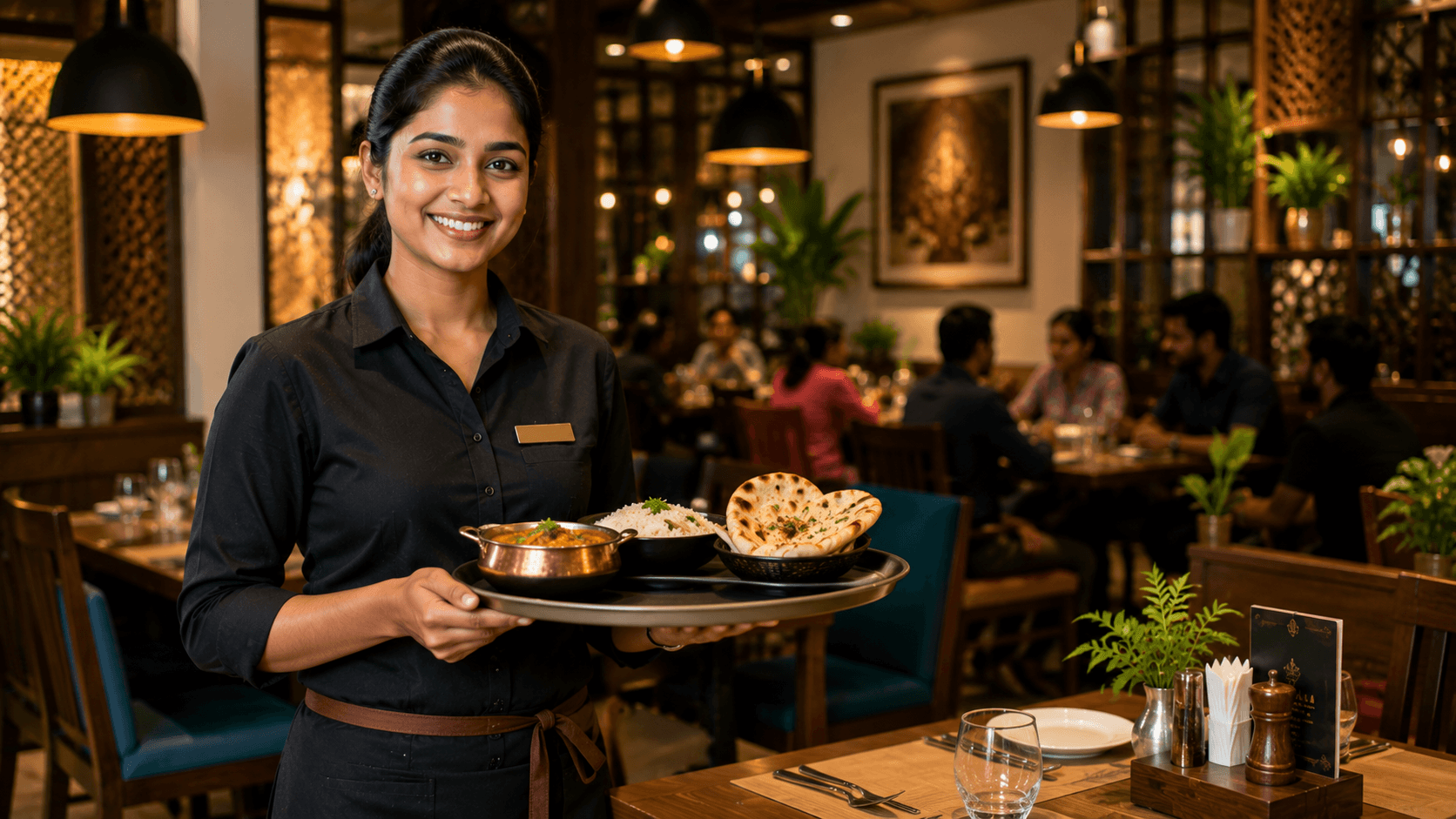
India's quick service restaurant (QSR) sector is one of the fastest-growing segments of the economy. Rapid expansion of national and international brands, rising urban consumption, and a strong post-pandemic recovery have fuelled aggressive outlet growth across metros and smaller cities alike.
But beneath this growth story lies a mounting human capital crisis. The industry's ability to recruit, retain, and engage frontline talent — cooks, kitchen assistants, service crew, and delivery partners — is under serious strain.
This is not a temporary staffing issue. It is a structural workforce challenge that threatens service quality, customer experience, and the scalability of QSR brands in India.
1. Workforce Shortages and High Turnover: The Numbers Tell the Story
The Indian QSR sector is intensely labor-dependent. Yet workforce stability remains fragile across the industry. Recent data highlights the scale of the problem:
- According to TeamLease Services, nearly 75 percent of QSR employees have tenures of less than three years, with 36 percent exiting within just 1–2 years
- Monthly attrition ranges between 10–40 percent, placing QSRs among the highest-churn service sectors
- Around 88 percent of frontline QSR workers earn between ₹15,000–20,000 per month, while 12 percent earn less than ₹15,000
- Industry estimates suggest that over 350,000 hospitality and QSR roles remain unfilled, even as brands continue to open new outlets
These figures translate into daily operational pressure — understaffed kitchens, stretched service crews, inconsistent delivery performance, and rising burnout among remaining employees.
2. Why Traditional QSR Hiring Models Are Breaking Down
For years, QSR hiring in India relied on fast, informal, and highly reactive methods:
- Walk-in hiring and first-come, first-served selection
- Local neighborhood referrals and informal networks
- Short job postings with minimal role clarity
- Manual screening with little standardization
While these approaches once worked in a surplus labor market, today they are fundamentally misaligned with workforce realities.
Mismatch Between Job Expectations and Worker Needs
Today's frontline workforce is increasingly seeking:
- Predictable shifts and stable incomes
- Clear role expectations
- Opportunities for skill development and career progression
Traditional hiring rarely communicates or delivers on these needs. Many workers view QSR roles as temporary stopgaps rather than long-term employment — fueling early exits and repeat hiring cycles.
Reactive Hiring Creates Continuous Churn
Most QSRs still hire only when vacancies become urgent — during peak hours, festival seasons, or new store launches. With monthly churn reaching up to 40 percent, the hidden cost of constant rehiring — training time, service disruptions, supervisor overload — is significant and often underestimated.
Lack of Workforce Planning and Engagement
Few outlets actively plan staffing based on demand forecasting, peak-hour footfall, or delivery volume patterns. This leaves stores perpetually understaffed, especially during rush periods, and without a pipeline of trained replacements ready to step in.
Training Without Retention
QSRs invest heavily in training semi-skilled and unskilled workers — from kitchen processes to hygiene and customer service standards. Yet without structured growth pathways or retention strategies, this investment frequently walks out the door.
3. The Business Impact of Frontline Talent Instability
Frontline workforce instability directly affects business outcomes:
- Inconsistent food quality and service speed, impacting brand trust
- Longer order preparation and delivery times, hurting customer satisfaction
- Higher compliance and safety risks due to insufficiently trained staff
- Store managers stretched thin, spending more time hiring than running operations
At scale, talent instability becomes a growth constraint — slowing expansion, reducing same-store performance, and eroding margins.
4. The Way Forward: From Reactive Hiring to Workforce Strategy
Solving the QSR talent challenge requires a fundamental shift — from transactional hiring to strategic workforce design.
Hire for Role Fit, Not Just Availability
QSRs must identify candidates who align with:
- Shift requirements and operational realities
- Customer-facing responsibilities
- Learning ability and reliability
Use Data and AI to Improve Hiring Signal
AI-driven sourcing and screening can help:
- Identify suitable candidates faster
- Reduce mismatches in role expectations
- Build consistent hiring standards across outlets
Expand Talent Access Through Geo-Targeted and Vernacular Hiring
Frontline talent is widely distributed across Tier 2 and Tier 3 cities. Geo-targeted sourcing and vernacular-first hiring approaches unlock access to motivated workers often missed by traditional channels.
Make Hiring and Onboarding More Human
Structured onboarding, clear communication, and visible growth pathways create trust early. When workers understand what is expected, how they can progress, and how they will be supported — engagement improves and attrition drops.
At Aiviue, we work with organizations to design and execute intelligent hiring strategies exactly like that.
Because in QSR, consistent people power is what ultimately delivers consistent customer experience.
Build a Stronger QSR Frontline
Aiviue helps QSR brands hire for role fit, screen faster with AI, and reach frontline talent across India with geo-targeted and vernacular hiring.
Hire Now